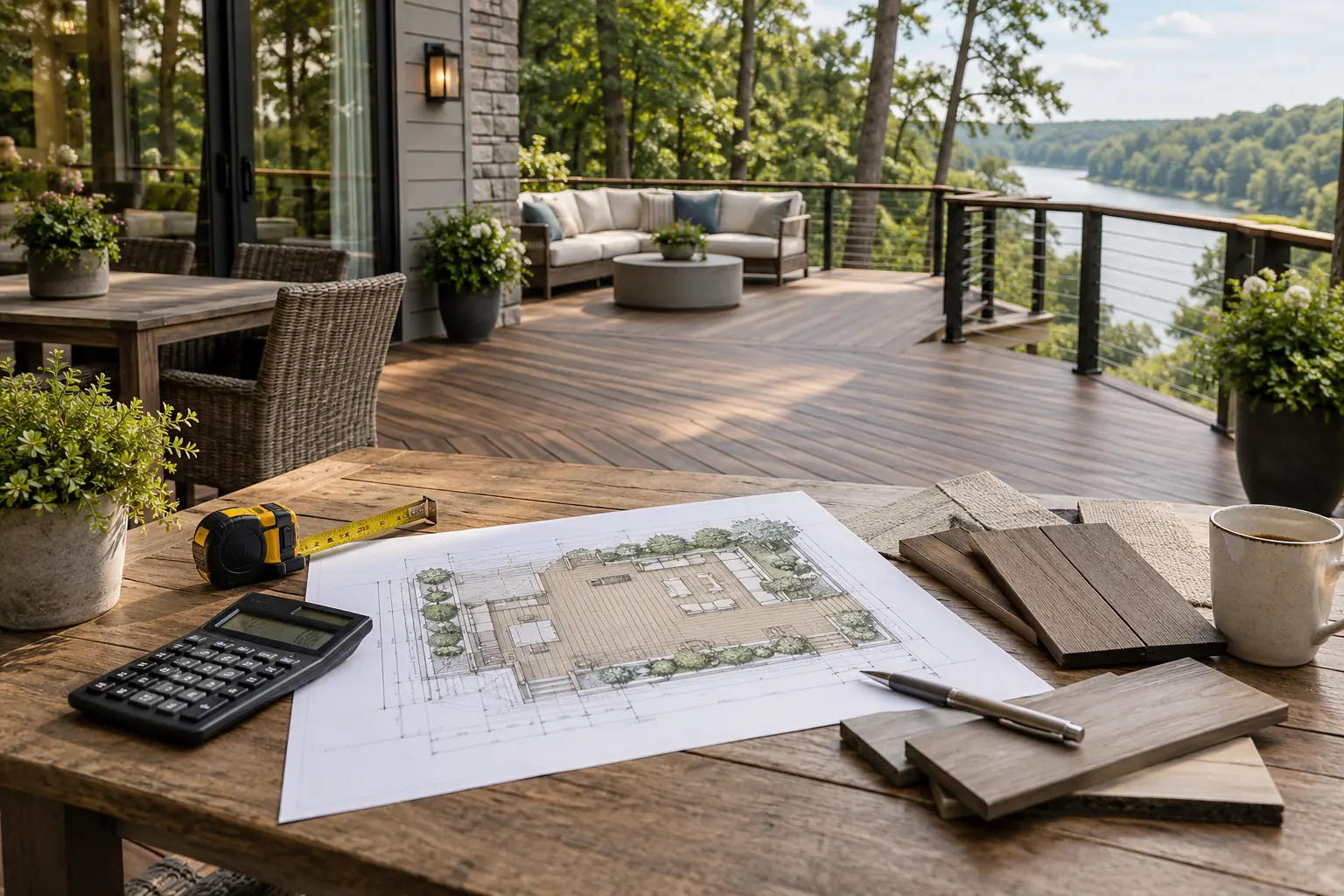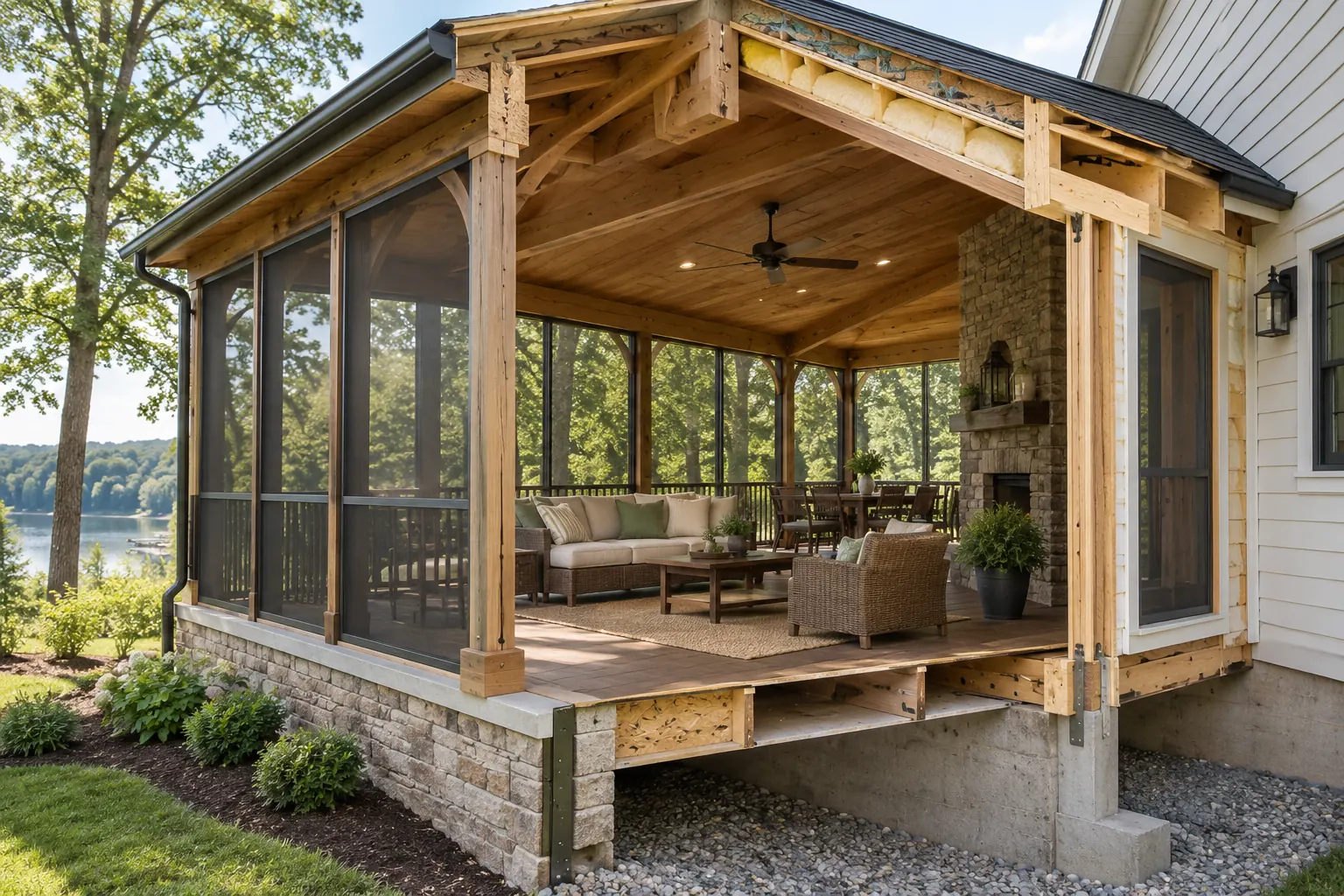

Turn the proposed work into a coordinated scope
A general contracting project brings different parts of construction together. For a renovation, that can mean coordinating demolition, carpentry, trade work and finishes around an agreed plan. The specific responsibilities belong in the project agreement. Do not assume a short description such as kitchen remodel explains every included task.
Identify decisions that affect the sequence
A cabinet layout can influence electrical locations. A selected door can affect the opening and trim. A change to flooring may affect transitions to nearby rooms. Making these decisions in isolation can create rework. A coordinated project identifies which selections are needed before the next stage can proceed.
Plan for existing conditions
An occupied home is not a blank building site. Access, protection, temporary loss of a room and concealed conditions need attention. Tell the contractor about pets, working from home and the routines that matter most. Ask what is known from the initial review and what cannot be confirmed until work begins.
Make changes visible
If you request an alteration or an unexpected condition changes the work, discuss scope, cost and schedule together. Keep written decisions with the project records. A clear change process helps avoid situations where the work moves ahead but the parties have different expectations about what was authorized.
Prepare for a useful first meeting
Bring photos, a description of what is not working and a short list of priorities. Include any drawings and product selections already made. Review BILDEN general contracting, home renovations and Sterling project planning. The initial goal is to establish the next information needed for a defined scope.